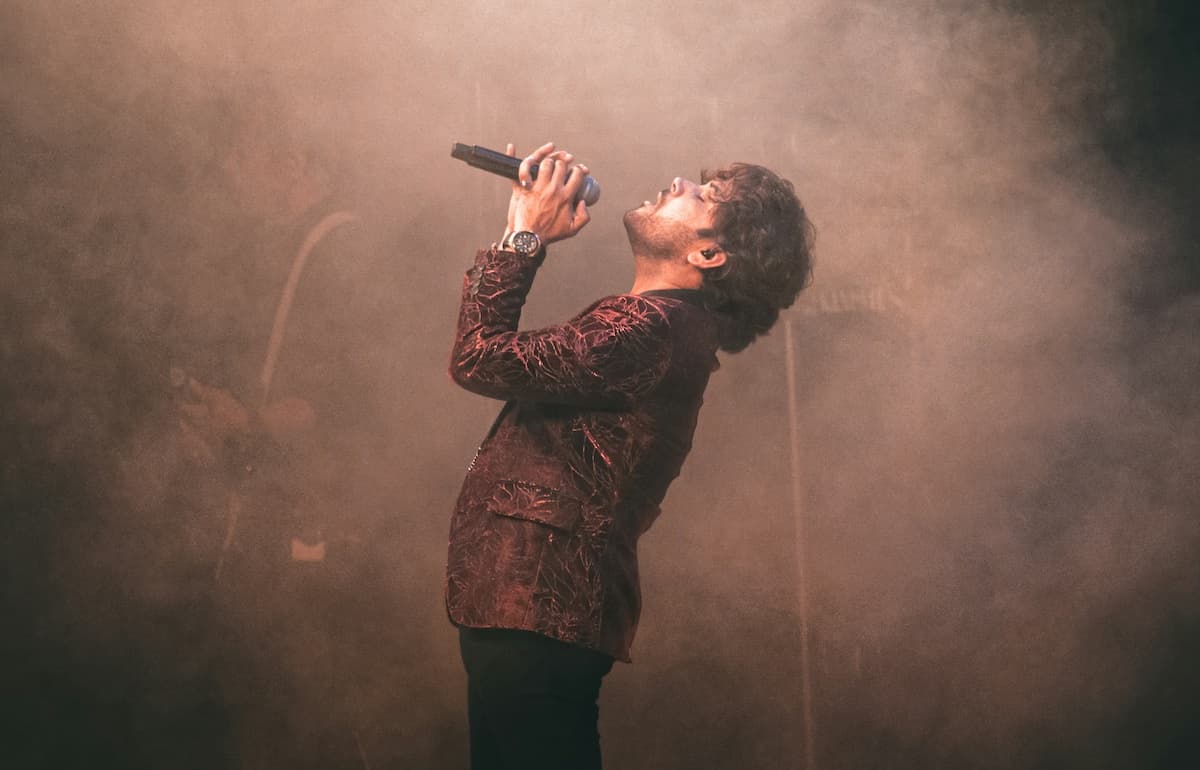
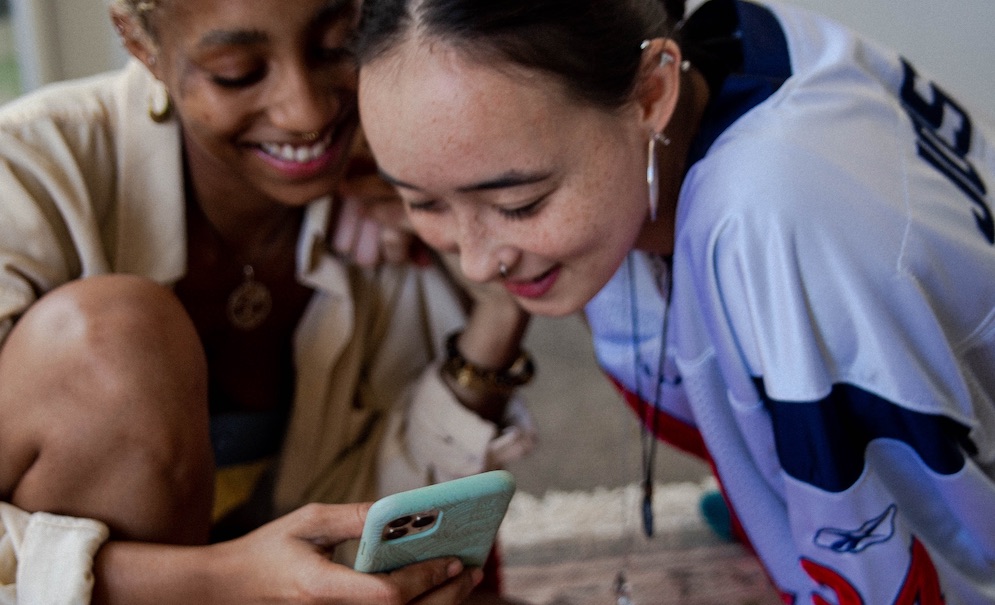
TikTok and Instagram have one thing in common: Both platforms offer extensive music catalogs that users can use for their videos. Although this offers an exciting opportunity for content expansion, legal problems are increasingly arising. From recent rulings in the U.S. to cease-and-desist letters in Germany, it’s clear that using music for commercial purposes can have legal consequences.
COPYRIGHT CONSIDERATIONS
First of all, all music and sounds are protected by copyright. That means every song you use in your videos belongs to someone. The licensing agreements that TikTok and Instagram have with music labels usually only cover private use. But what does that mean for influencers, businesses or NGOs?
NOT EVERYTHING THAT IS TECHNICALLY POSSIBLE IS ALSO PERMITTED
Both platforms make it technically easy to access their music libraries. However, the terms of service of TikTok and Meta (parent companies of Instagram and Facebook) significantly restrict non-private use. And no, ignorance does not protect against punishment. Copyright law does not recognize good faith.
WHERE DO PLATFORMS DRAW THE LINE?
For private users, the use of music is usually problem-free. It becomes difficult when music is used in the context of branding, advertising, sponsorship or the sale of products and services.
Influencers who are commercially active usually fall into this non-private category. The same is true for some government agencies and NGOs. For businesses, every post is commercial anyway, even if it’s just for image building.
ALTERNATIVE MUSIC SOURCES
TikTok and Instagram offer alternative commercial music catalogs that can be used for commercial and non-private purposes. However, these usually contain generic music and no chart hits.
ARE THERE LEGAL LOOPHOLES?
Legal exceptions such as quotation rights, parody or “non-essential accessory” only apply in very special cases and cannot be regarded as a general “free pass” for the use of music.
THE MYTH OF THE 15-SECOND RULE
A widespread misconception is that music clips under 15 seconds are unproblematic. However, this is not the case. Although upload filters for short clips do not always take effect, the legal risks are not off the table. Anyone who uses music as an advertising medium must usually obtain separate exploitation rights from the author.
CONCLUSION
The use of music in social media is a minefield of legal risks, especially for companies and influencers. Ignorance or assumptions like “it’s just a short clip” can lead to legal problems and financial penalties. So be sure to thoroughly research licensing terms and think twice before using a song in your next TikTok or Instagram video.
If you need high-quality audio for your Instagram post, you might find it among the artists on Audiobird. There you’ll find composers as well as audio producers and top-notch voices who can professionally round out your post with voiceovers and sound effects.