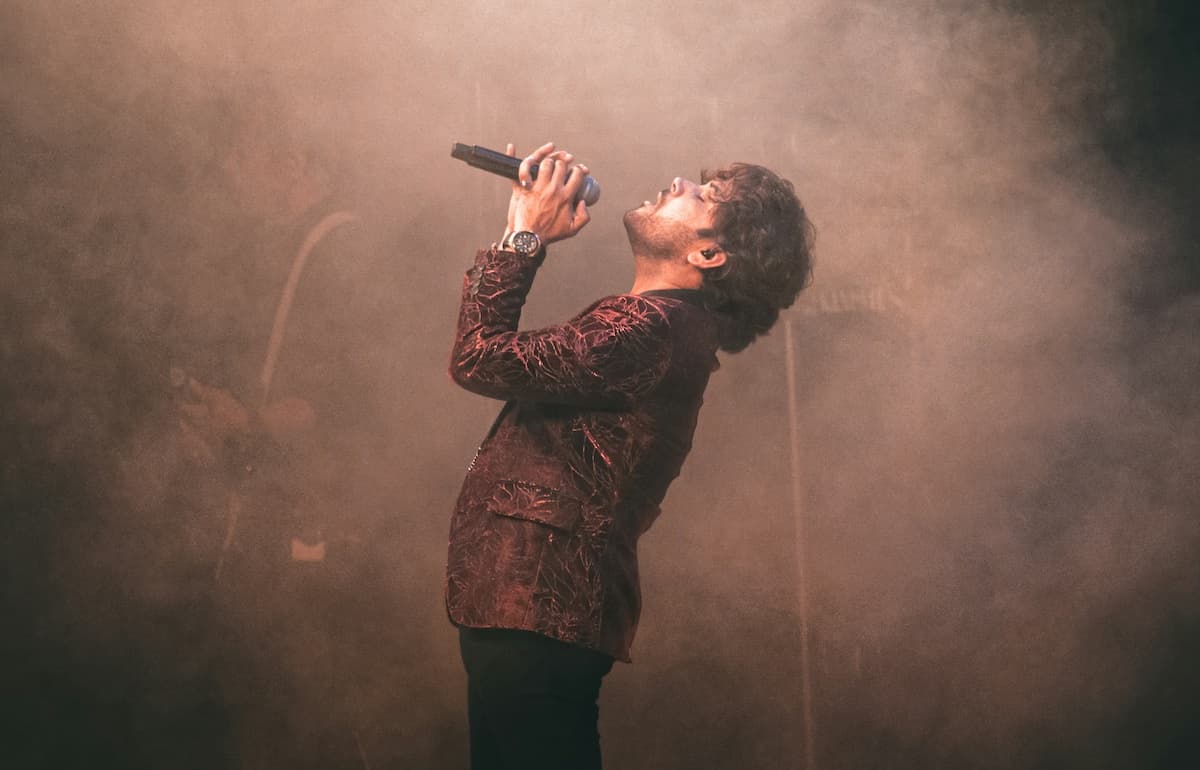
AI (Artificial Intelligence) will change the world of voiceover and synchronous in many aspects. Here are some of the major impacts of AI on these areas:
1. automation of speech synthesis: with the development of advanced text-to-speech technology, computer programs can generate a human-like voice based on text input. This allows companies and content producers to create high-quality voiceovers and dubs much faster and more cost-effectively.
2. personalization of voiceovers: AI can also be used to personalize voice recordings by adapting the speaker’s voice to the listener’s individual preferences and needs. This can create even greater immersion in the storyline or topic.
3. translation simplification: By using AI-based translation services, businesses and content producers can quickly and easily have their content translated into different languages, opening up the possibility of reaching a wider audience.
4. Changes in demand for human speakers: The ongoing development of AI-based speech synthesis and dubbing technologies could, in the long run, lead to a decrease in the demand for human speakers and voice actors.
Overall, AI will greatly impact the world of voiceover and dubbing in the coming years. Companies and content producers need to keep an eye on these developments and adapt to the changing demands and opportunities.