Is it easier to generate images and videos than speech?
The answer is yes, considerably easier. Every day, we encounter impressive examples of AI-generated content: images, videos and even text. With just a few clicks, tools such as DALL-E or MidJourney create photorealistic images, and language models such as GPT write articles that are often remarkably well worded. Yet when it comes to authentic, vibrant human speech, these technologies quickly reach their limits.
Why? Because speech is more than just words – and that is precisely what makes it one of the greatest challenges for AI.
1. Images and videos: impressive, but static
Visual data such as images and videos are comparatively “easy” to generate because they depend less on context and dynamics:
- Images: A generated image is static. A model does not need to account for interactions or changes over time; it simply needs to produce visual patterns that look appealing to the eye.
- Videos: Visual continuity is also the focus in videos. Movement, lighting effects and perspectives are complex, but not as difficult to handle as the emotional depth and authenticity expected in speech.
A small flaw in an image – an oddly shaped hand, for example – may be noticeable, but it is tolerated. An unnatural-sounding sentence or an emotionless tone, on the other hand, immediately feels jarring.
2. Speech is dynamic and multifaceted
Speech is more than a string of words. It is a highly complex, dynamic form of communication that goes far beyond simply conveying information:
- Emotions: People use speech to convey feelings – enthusiasm, compassion, irony or humour. This subtlety is difficult for AI to imitate. A monotonous-sounding voice or a sentence with the wrong emphasis immediately destroys the impression of authenticity.
- Context: The very same words can have completely different meanings depending on the situation and emphasis. Only a human can truly understand the context and respond to it.
- Spontaneity: Speech is alive. It thrives on improvisation, creative turns of phrase and the ability to respond to the other person. AI, by contrast, works with pre-programmed data and algorithms – leaving little room for spontaneity.
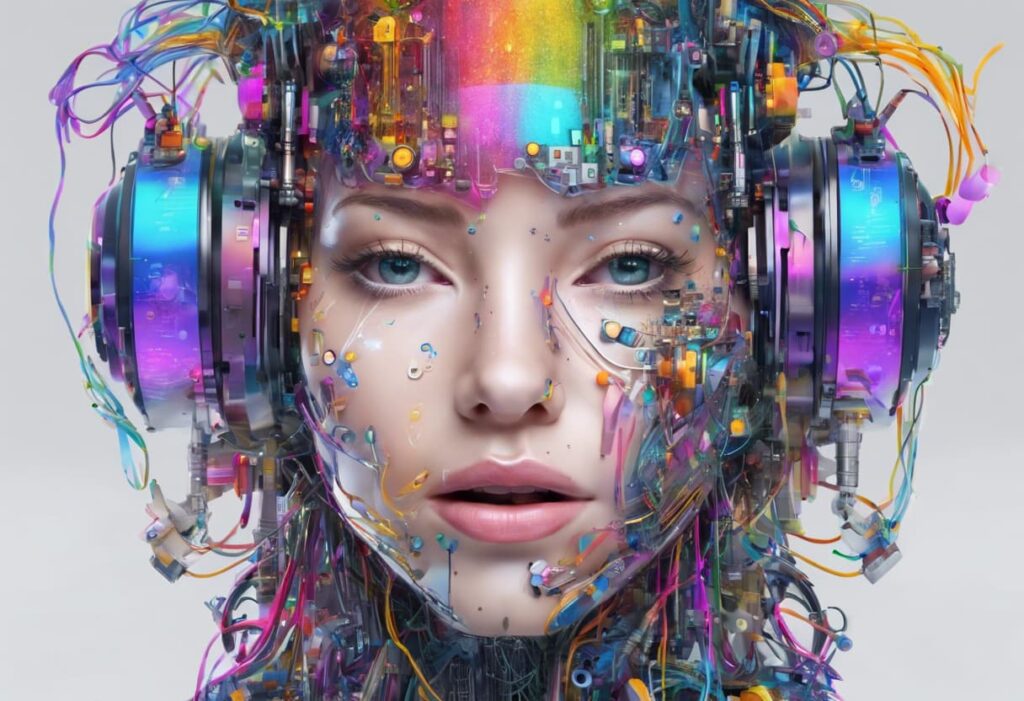
3. Authenticity comes from being human
While generated images often look “perfect”, perfection in speech tends to be a hindrance. Authenticity comes from the little mistakes and quirks that make us human:
- Slips of the tongue and pauses: A good voice artist occasionally pauses, hesitates or laughs at the right moment – that is what makes them relatable.
- Individual differences: Every person has a unique voice, a particular tone and a personal way of expressing themselves. AI can imitate voices, but the depth and individuality of real people remain beyond its reach.

4. Why speech is harder to “feel” than images
Images and videos appeal directly to our senses. They are an immediate visual experience that requires no translation. Speech, on the other hand, demands a deep understanding from the listener – of words, emotions and cultural nuances.
AI may be able to write or deliver impressive speeches, but it often comes across as “empty” – as though it were repeating something it does not understand itself. And this is precisely where the difference lies: people communicate to feel and convey something.
Conclusion: good voice artists are irreplaceable
Yes, AI can generate images, text and videos with breathtaking precision. But speech – truly authentic, vibrant speech – remains its greatest challenge. A good voice artist moves people, inspires them and creates genuine connections.
And it is precisely this connection that AI cannot replace. Because speech is not just communication – it is an expression of humanity.
Think about it: would you rather listen to AI or a real person?